
Daylio Review: 2026 Overview
The verdict
3.9/ 5 A fast, tap-to-log mood and micro-journaling app with excellent stats and a low price.
Daylio is the best pure mood tracker for the money — quick, data-rich and habit-forming. It's deliberately minimal, though: if you want guidance, courses and reflection prompts on top of the tracking, an all-in-one app like Liven does far more.
Daylio is a fast, no-typing mood tracker and micro-journaling app from Reletech, built for one job: capturing how your day went in seconds. The short version of this Daylio review is that it is one of the best-value tools in the category for building a logging habit and watching your trends, as long as you do not expect it to coach or guide you.
It runs on iOS and Android, works largely offline, and stays inexpensive, which is a big part of why people stick with it for years.
What is Daylio?
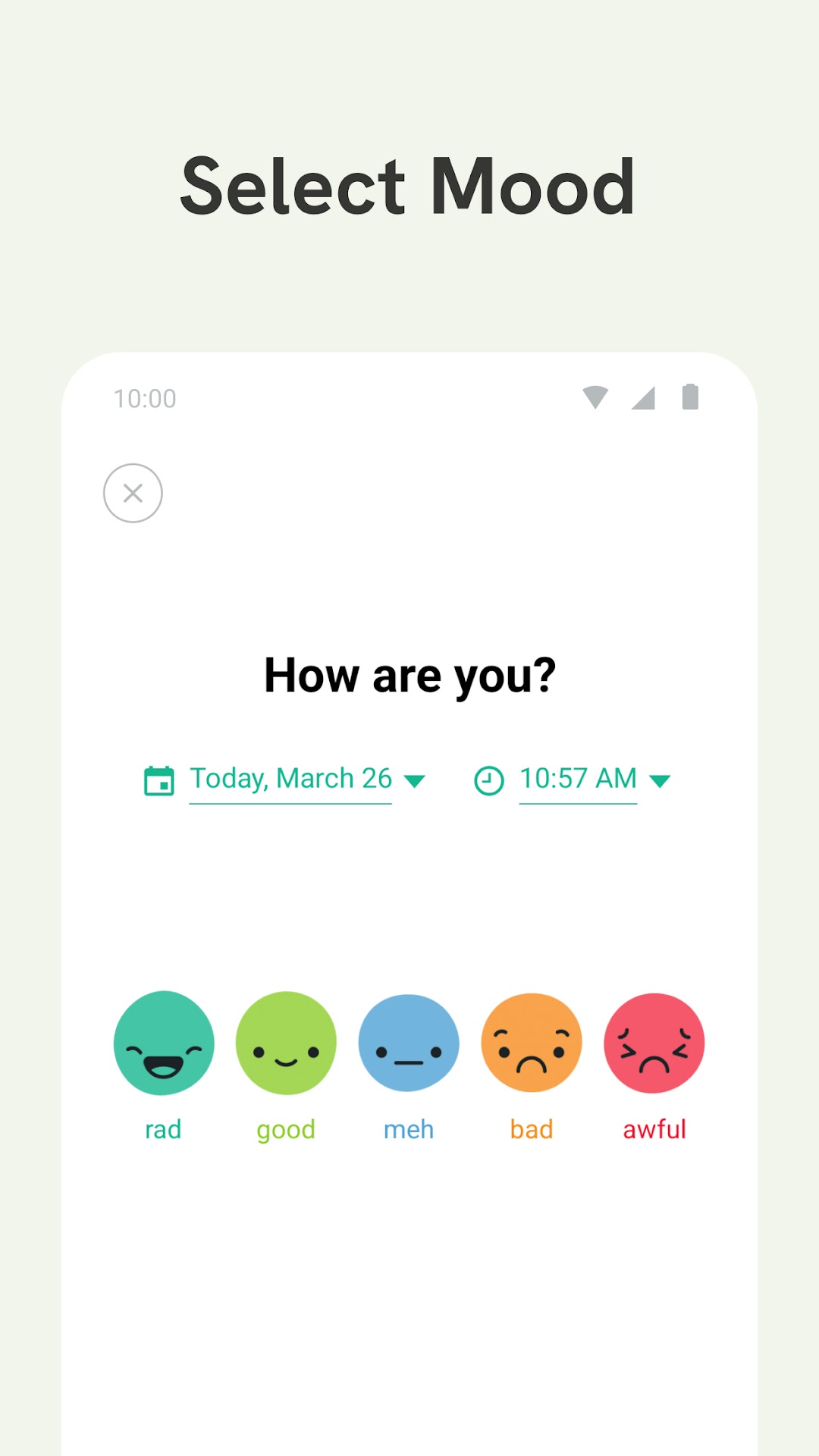
Daylio is a mood tracking and micro-journaling app made by Reletech. The whole experience is self-guided: you open it, pick a mood, tap a few activities, and optionally add a line or two of text. There is no lesson to finish and no program to follow, which is exactly the point. It is a personal development app for people who want a record of their days without the friction of long-form journaling.
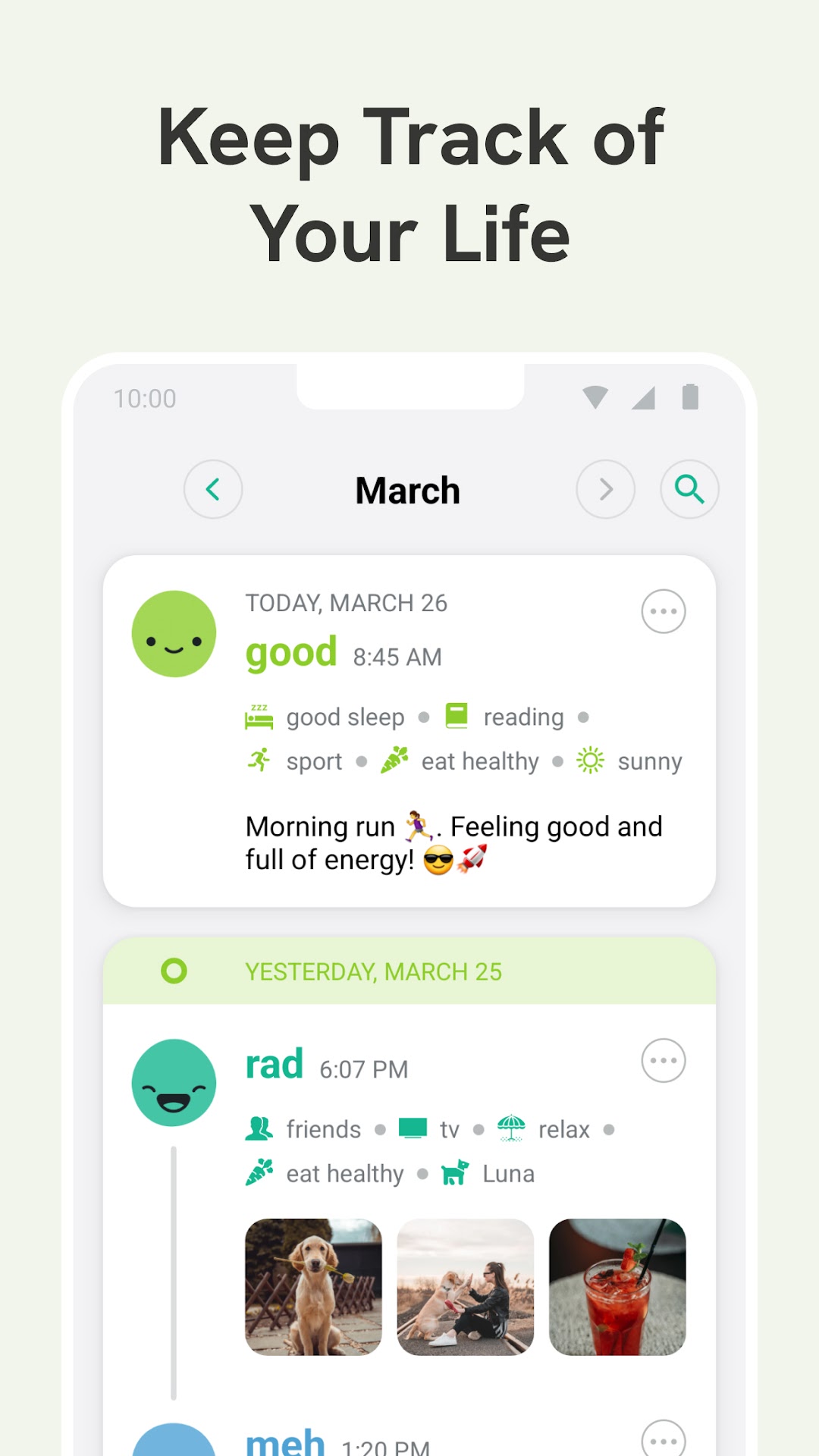
Under the hood it is a small, local-first tool rather than a sprawling platform. Most of what you do happens on your device, it works offline, and you can export your data when you want it elsewhere. Over weeks those quick taps add up into charts, streaks, and correlations that start to show what tends to lift your mood and what tends to drain it.
Who is Daylio best for?
Daylio is best for anyone trying to build a daily logging habit, because the act of recording a day is so quick that it is genuinely hard to skip. If you have started and abandoned a journal before, the low effort here is the feature that matters most.
It also suits people who love data and trends. If you enjoy looking back at a month and spotting that your best days cluster around certain activities, Daylio rewards that curiosity. And because it stays inexpensive, it is a sensible pick for anyone on a tight budget who still wants real self-awareness tools rather than a free app cluttered with limitations.
What it's like to use Daylio
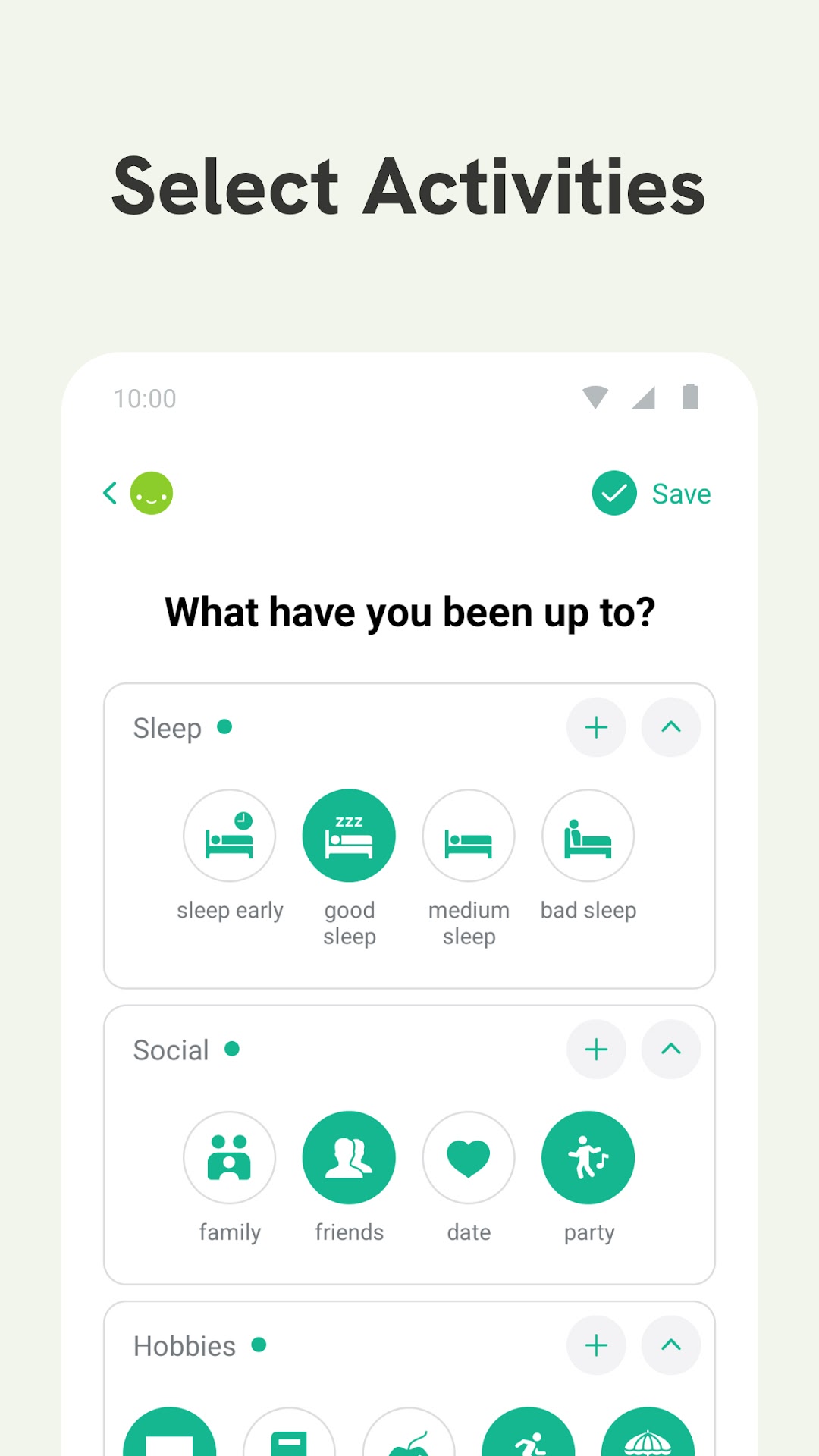
The first thing you notice is the speed. Logging a day takes seconds: choose a mood from a simple scale, tap the activities that defined it, and you are done. You can add a sentence if you want, but you are never forced to write, which removes the usual excuse for falling behind.
Reminders nudge you at the times you choose, and home-screen widgets let you log without fully opening the app. The early days feel a little thin because you are just feeding it data, but that changes. After a few weeks the app turns your entries into mood charts and activity correlations, and that first time you see a clear pattern in your own behavior is when Daylio clicks.
Because everything is fast and offline, the app fits into small gaps in your day rather than asking you to carve out time. That fit is what keeps the habit alive long after a more demanding tool would have been deleted.
Daylio's features in depth
At its core, Daylio combines mood tracking with micro-journaling. You log a mood and the activities tied to it, and over time the app builds statistics, streaks, and correlations from those entries. The correlations are the standout: they connect how you felt to what you actually did, which is more useful than a mood log on its own.
It also includes an activities and goals tracker, customizable reminders, home-screen widgets, and full data export so your history is portable. It works largely offline and keeps your data local-first, which is reassuring for something as personal as a daily mood diary.
It is worth being clear about what Daylio does not include, because that shapes who it fits. There are no courses, no guided meditations, no AI companion, no community, and no live coaching. It also does not offer crisis resources, so it is a reflection tool rather than a source of support in a hard moment. Daylio tracks and reflects extremely well, but it deliberately leaves the teaching and guiding to you.
Daylio pricing and value
Daylio is inexpensive, and that is central to its appeal. You can do the core work of mood tracking and micro-journaling without much spending, and the paid tier mainly removes limits and unlocks more customization rather than holding the essential experience hostage. For exact numbers, check the pricing section on this page.
On value, it is one of the best options in the whole category. You get genuinely useful stats, correlations, and exports for very little, and there is no recurring cost weighing on a tight budget. If all you want is a dependable mood tracker that pays back the few seconds a day you put in, the value here is hard to beat.
What users say about Daylio
Reviewers consistently praise how little effort logging takes, and many describe sticking with it for years, which is rare for any habit app. The quick entry and the satisfaction of an unbroken streak come up again and again as the reasons it sticks.
People who like data also tend to call out the stats and correlations as the moment the app earned its place. A recurring note from those wanting more is that Daylio reflects your life back to you but does not tell you what to do with what it shows, so anyone hoping for guided structure can feel they have hit the app's ceiling.
Daylio vs Liven: how they compare
Daylio is the best pure mood tracker for the money, and it is fair to say it does that narrow job better than almost anything else. It is deliberately minimal: it captures and reflects, fast and cheaply, and it does not pretend to be more.
Liven works differently because it is built to be broader. Alongside tracking, it layers in guidance, courses, and reflection prompts, so it does not just show you a pattern, it helps you act on it. Where Daylio hands you a chart and steps back, Liven adds the structure and direction that Daylio intentionally leaves out.
The honest takeaway is that the right pick depends on what you want from a personal development app. If you only want a lightweight, low-cost mood tracker and you bring your own plan for change, Daylio is an excellent and frugal choice. If you want tracking plus the guidance to turn self-awareness into action, Liven is the more complete fit. You can read our full take in the Liven review.
Maker: Reletech / Daylio · Platforms: iOS, Android · Approach: Self-guided · Methods: mood tracking, micro-journaling
Daylio plans & pricing
Free tier: Strong free tier; Premium is inexpensive.
Trial: Premium offered monthly or yearly.
Prices approximate, as of June 2026 — verify on the App Store / Google Play. The core tracker is free; Premium removes limits and adds advanced stats and export.
Cancellation: Cancel through your app-store subscription; the free tier remains usable.
Feature checklist
- Mood trackingYes
- JournalingMicro-journaling
- AI companion—
- Courses & lessons—
- Meditations—
- Soundscapes / focus music—
- Habit & routine builderActivities/goals
- RemindersYes
- Quiz / assessment—
- Community—
- Live coaching—
- Crisis resources—
- Data exportYes
- Apple Health / Google Fit—
- Home-screen widgetsYes
- Offline useYes
Daylio pros & cons
What's good
- Logging a day takes seconds, which is why people stick with it for years
- Genuinely useful stats, correlations and exports
- One of the best-value options here
What to weigh up
- It tracks and reflects — it doesn't coach, teach or guide you toward change
- No courses, meditations or companion; you bring the structure
Support
Support runs through Daylio's help resources. No live clinician.
Method & credibility
Daylio is a tracking tool and makes no clinical claims; its value is the data it surfaces.
Privacy & data
Daylio keeps data local-first with optional backup; review its privacy policy for specifics.
Third-party ratings
- 4.8 / 5 on App Store — as of June 2026, verify
- 4.7 / 5 on Google Play — as of June 2026, verify
We report independent ratings with their source and date and never invent them. Figures here are approximate and pending verification before launch.
Our data: Daylio
Two proprietary indices we score ourselves, on the same scale for every app (see all 20 on the compare page):
Daylio FAQ
Is Daylio a good mood tracker?
Yes. Daylio is one of the strongest mood trackers for the money, mainly because logging takes only seconds and the app turns those entries into useful charts and correlations over time. It supports everyday self-awareness well, though it tracks and reflects rather than coaching you toward change.
Does Daylio work offline?
It does. Daylio is largely offline and local-first, so most of your logging and data lives on your device, and you can export your history when you want it elsewhere.
Does Daylio have courses, meditations, or an AI companion?
No. Daylio is a focused mood tracker and micro-journaling app, so there are no courses, guided meditations, AI companion, community, live coaching, or crisis resources. If you want tracking plus that kind of guided structure, an all-in-one option like Liven covers more ground.