Wysa Review: 2026 Overview
The verdict
4.1/ 5 An AI chatbot that guides CBT-style exercises, with optional human coaching.
Wysa is one of the more credible AI self-help apps, with solid CBT-style exercises and an anonymous chatbot, plus optional human coaching. It supports wellbeing but is not a substitute for therapy.
This Wysa review covers an anonymous AI companion app from Wysa that guides you through CBT- and DBT-style self-help exercises, with mood tools and optional paid human coaching. The bottom line: it is a friendly, judgement-free personal development app for talking things through and learning coping skills, with a generous free AI chat, though it is a self-help tool rather than therapy.
If you want a low-pressure way to vent, reflect, and pick up evidence-informed exercises on your own schedule, Wysa is easy to recommend. Our editorial score lands at 4.1 out of 5.
What is Wysa?
Wysa is an anonymous AI chatbot made by Wysa. You talk to it like you would a patient friend, and it responds with guided self-help drawn from cognitive behavioural therapy and dialectical behaviour therapy. Rather than chatting aimlessly, it nudges you toward small exercises that help you notice unhelpful thoughts, sit with difficult feelings, and try a different response.
It is worth being precise about what Wysa is and is not. It is a self-help tool that supports everyday wellbeing and helps you build self-awareness and coping skills. It is evidence-informed, with published research behind its approach, but it is not therapy and not a substitute for professional care. On the free tier there is no live clinician, and the app surfaces crisis resources when someone needs more than a chatbot can offer.
Wysa runs on iOS and Android, so it lives in your pocket for the moments stress tends to hit. The core methods are CBT and DBT exercises delivered through conversation, with optional paid human coaching for people who want a real person in the loop.
Who is Wysa best for?
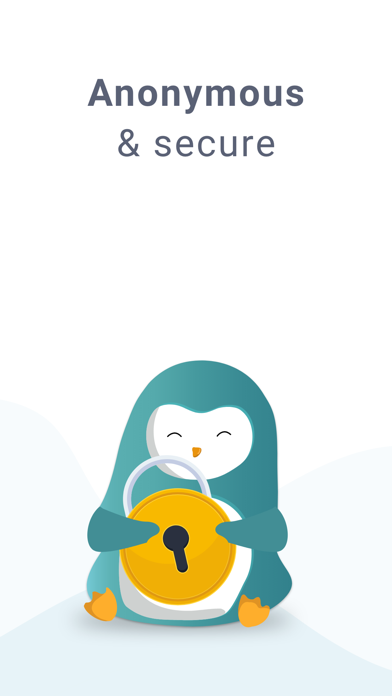
Wysa is best for anyone who wants a judgement-free space to talk things through. If you find it easier to type out what is on your mind than to say it aloud, an anonymous AI that never tires and never raises an eyebrow can be freeing. There is no appointment to book and no name to give, which lowers the barrier on a hard day.
It is also a strong pick if you want CBT-style self-help without a course or a therapist's waiting room. The exercises are practical and bite-sized, so you can try a reframing technique on your commute or a grounding exercise when your thoughts are racing, and optional coaching is there if you want a real human involved later.
It is a weaker fit if you are looking for clinical treatment, a live clinician on demand, or one app that also handles journaling, habits, and courses. Wysa is focused on conversational self-help, so if your situation calls for professional care, it works best as a companion alongside that care, not a replacement.
What it's like to use Wysa
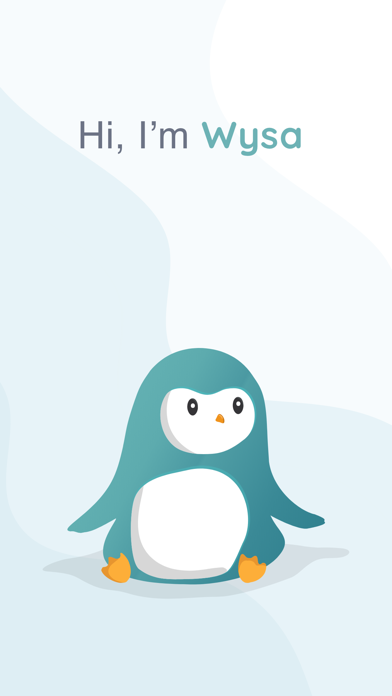
Opening Wysa feels like starting a low-stakes chat. The penguin mascot keeps the tone warm, and you can begin venting within seconds without setting up an account or sharing personal details. That anonymity does a lot of quiet work, because it makes people more honest about how they actually feel.
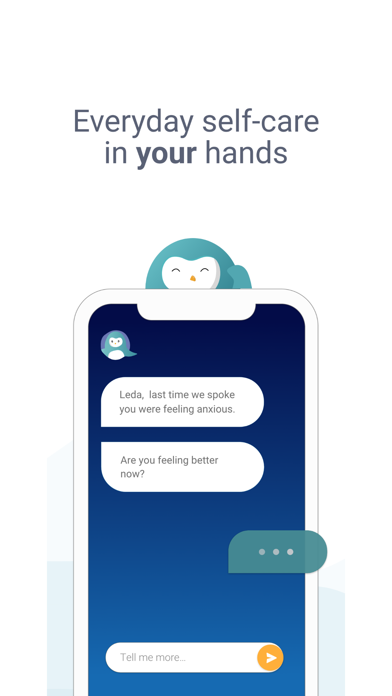
Day to day, you describe what is going on, and Wysa reflects it back and offers an exercise that fits. You might track your mood, run a short CBT or DBT activity, or work through a tool for stress, low mood, or sleep. The conversation steers you gently rather than lecturing, and the exercises are short enough to finish in a single sitting.
The main rough edge is worth flagging. Because the AI follows a designed flow, it can feel scripted when your situation does not match the path it expected, and it may circle back to a suggestion you have already tried. The app handles this responsibly by keeping crisis resources visible, so if a conversation moves beyond everyday wellbeing, you are pointed toward real help rather than left with a bot.
Wysa's features in depth
The heart of Wysa is its conversational AI and the library of exercises behind it. The techniques are evidence-informed and grounded in CBT and DBT, with published research supporting the approach, which sets it apart from the many chat apps that offer little structure. Instead of generic encouragement, you get specific tools for reframing thoughts, managing overwhelm, and building healthier responses.
Mood tracking and self-help tools round out the everyday experience. You can log how you are feeling over time and reach for targeted activities around stress, sleep, low mood, and feeling stuck. The free AI chat is genuinely generous, so a lot of the core value is available without paying anything, which is not always true in this category.
For people who want more, optional paid human coaching adds a real person to the picture, and built-in crisis resources are present throughout. What you will not find is a live clinician on the free tier, a full journaling workspace, a habit or routine builder, or structured courses. Wysa keeps a tight focus on conversational self-help.
Wysa pricing and value
Wysa is unusually generous on the free side. Much of the AI chat and many self-help exercises are available at no cost, so you can get real value before deciding whether to pay. A paid plan unlocks more of the toolkit, and human coaching is offered as a separate, higher-touch option. For exact current prices and any trial, see the pricing section on this page rather than relying on figures here.
On value, your view will depend on what you need. If anonymous AI chat and CBT-style exercises are enough, the free tier alone can be plenty, which makes Wysa one of the lower-commitment ways to try this kind of support. If you want the structure of regular human coaching, that is where the paid spend goes, and whether it is worth it depends on how much you would lean on a real coach versus the bot.
What users say about Wysa
Reviewers consistently praise how easy Wysa is to open up to. A recurring theme is that the anonymity and non-judgemental tone make it feel safe to say things they would not tell a person, and many credit the CBT exercises with giving them a concrete tool to use in the moment. It is well regarded on the app stores; see the ratings section for specifics.
The most common complaint mirrors our own read: the AI can feel scripted or repetitive when a conversation strays from its intended path, and some people want it to grasp nuance it simply cannot. Others are clear that it helped them cope day to day but was never a stand-in for therapy. These themes are about the limits of a chatbot rather than the quality of the underlying exercises.
Wysa vs Liven: how they compare
Wysa and Liven approach wellbeing from different angles. Liven is an all-in-one personal development app: it combines mood tracking, journaling, structured courses, habit building, an AI companion called Livie, and soundscapes in one place. Wysa is more focused, concentrating on anonymous, conversational CBT and DBT self-help with optional human coaching.
Where Wysa genuinely wins is the depth and approachability of its chat. The anonymous, judgement-free conversation lowers the barrier to opening up, the exercises are evidence-informed with published research behind them, and the generous free AI chat lets you get value with no commitment. If a friendly AI to talk things through is what you want, that focus is a real strength.
Where Liven pulls ahead is breadth. If you want journaling, habits, and guided courses working together alongside an AI companion, Liven covers ground Wysa deliberately leaves out, which is why it is our top overall pick. Both are tools that support wellbeing rather than provide care. The honest question is whether you want a focused AI self-help chat or a broader toolkit, and you can explore the wider landscape in our piece on AI companion apps explained.
Maker: Wysa · Platforms: iOS, Android · Approach: Self-guided AI, optional human coaching · Methods: CBT, DBT, mindfulness
Wysa plans & pricing
Free tier: Generous free AI chat and exercises.
Trial: Free core; paid for premium packs and human coaching.
Prices approximate, as of June 2026 — verify on the App Store / Google Play. Premium content packs and live human coaching are paid; the AI chat is largely free.
Cancellation: Cancel through your app-store subscription; the free chat remains.
Feature checklist
- Mood trackingYes
- JournalingYes
- AI companionYes
- Courses & lessonsYes
- MeditationsYes
- Soundscapes / focus musicYes
- Habit & routine builder—
- RemindersYes
- Quiz / assessmentYes
- Community—
- Live coachingPaid coaching
- Crisis resourcesYes
- Data export—
- Apple Health / Google Fit—
- Home-screen widgets—
- Offline usePartial
Wysa pros & cons
What's good
- Strong, evidence-informed CBT exercises
- Anonymous and approachable AI chat
- Optional access to human coaches
What to weigh up
- The AI can feel scripted at times
- Not therapy and no live clinician on the free tier
Support
Support runs through Wysa's help resources; paid coaching adds human support.
Method & credibility
Built on CBT/DBT techniques with published research; still a support tool, not clinical care.
Privacy & data
Wysa emphasises anonymity; review its privacy policy for how chats are handled.
Third-party ratings
- 4.8 / 5 on App Store — as of June 2026, verify
- 4.5 / 5 on Google Play — as of June 2026, verify
We report independent ratings with their source and date and never invent them. Figures here are approximate and pending verification before launch.
Our data: Wysa
Two proprietary indices we score ourselves, on the same scale for every app (see all 20 on the compare page):
Wysa FAQ
Is Wysa a replacement for therapy?
No. Wysa is an evidence-informed self-help tool that supports everyday wellbeing and teaches CBT- and DBT-style coping skills, but it is not therapy and there is no live clinician on the free tier. Use it alongside professional care, not instead of it. If you are in crisis, contact a crisis line such as 988 in the US and Canada, or local emergency services.
Is Wysa free to use?
Largely, yes. Wysa offers a generous free tier with much of its AI chat and many self-help exercises available at no cost. A paid plan unlocks more, and human coaching is a separate option. See the pricing section for current details.
Is talking to Wysa anonymous?
Yes. You can start chatting with Wysa without giving your name, which is part of why people find it easy to open up. The app also keeps crisis resources visible so that if a conversation moves beyond everyday wellbeing, you are pointed toward real human help.